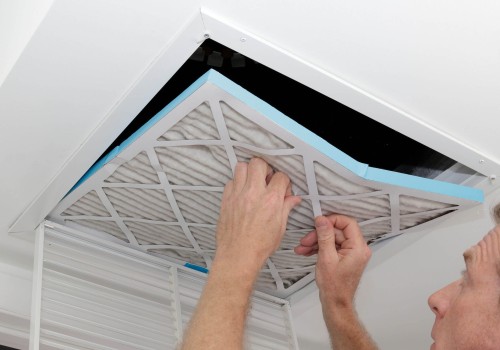
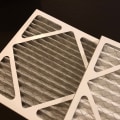
Pull a supply vent cover off a Winter Park home that's been running AC for ten or fifteen years without a duct cleaning, and what's inside tells the story before any conversation does. Pollen from the oak canopy, insulation fragments, skin cells, pet dander, and a decade's worth of whatever passed through every return vent in the house. That accumulation is what your system draws from every time the thermostat calls for air.
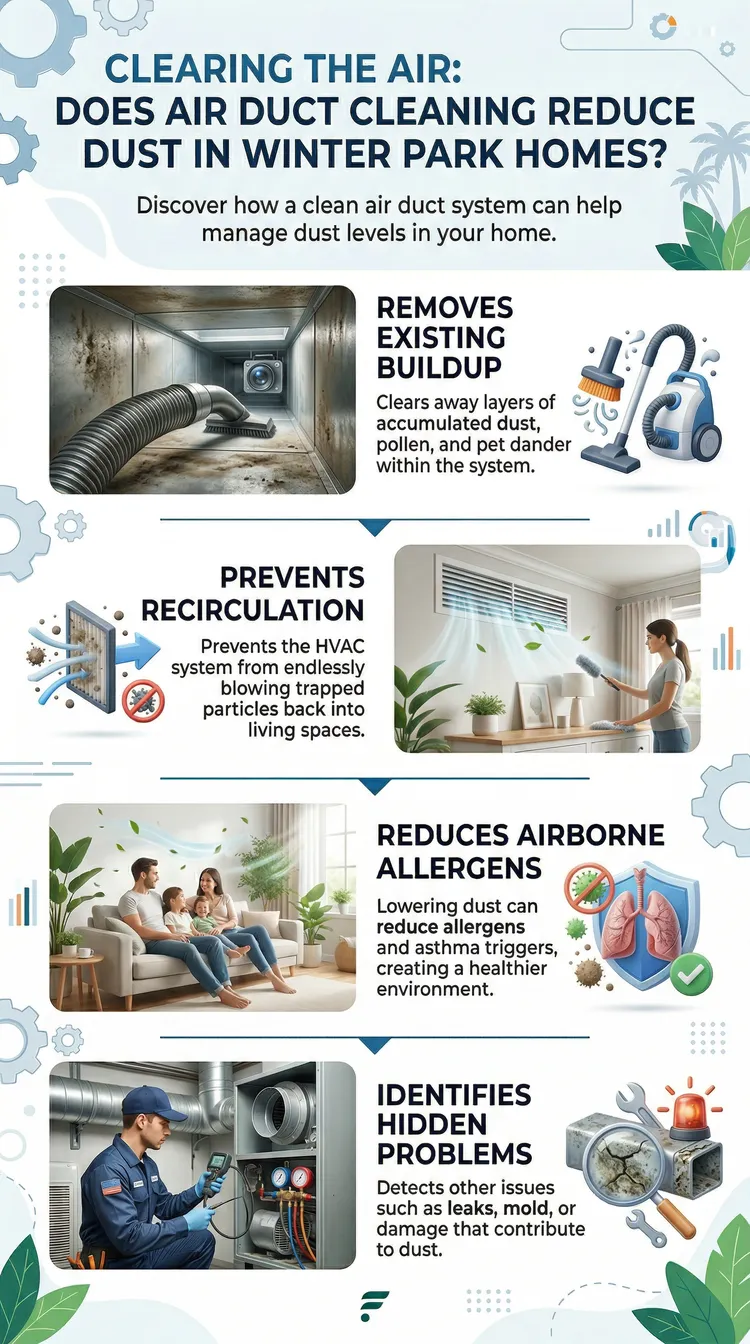
Air duct cleaning in Winter Park can meaningfully reduce the amount of dust recirculating through your home. That said, the full picture matters before you schedule anything. Your duct system acts as both a transport path and a collection point for household particulate matter. When we clean ducts in Orange County homes, we clear out what's been cycling through your system with every run cycle. What homeowners notice most afterward isn't just less dust on surfaces immediately. It's that the dust takes noticeably longer to come back.
TL;DR Quick Answers
Does Air Duct Cleaning Reduce Dust in Winter Park Homes?
Yes. Professional air duct cleaning removes accumulated debris from your HVAC system and reduces the particulate matter recirculating through your home. Results are most noticeable in homes with older ductwork, significant time between cleanings, or post-renovation systems. Winter Park's year-round AC climate and heavy pollen load from the area's oak and pine canopy accelerate debris buildup in residential duct systems. NADCA recommends cleaning every three to five years, sometimes sooner depending on local conditions.
Top Takeaways
Air duct cleaning can reduce household dust, but results are most pronounced when the ductwork is the actual source of the problem. Homes with visible debris at vents, years since the last cleaning, or post-renovation systems are the clearest candidates.
Winter Park's climate accelerates debris accumulation in residential ducts. Year-round AC operation combined with one of Central Florida's densest tree canopies means pollen and particulate matter move through duct systems at a higher rate than in most other regions.
Professional cleaning follows NADCA standards and isn't a DIY service. The equipment required to properly clean a duct system goes well beyond what homeowners can access. Verify any contractor's certification before scheduling.
Dryer vent cleaning pairs naturally with duct service. Both are among the most commonly neglected maintenance points in residential homes, and combining them in a single visit is practical. A clogged dryer vent is a documented fire risk.
Florida requires HVAC contractors to hold a current state license through the Department of Business and Professional Regulation. Verify any contractor at MyFloridaLicense.com before allowing work to begin in your home.
Why Winter Park Homes Accumulate Dust in Their Ducts
Central Florida gives HVAC systems almost no off-season. Systems in Winter Park run most of the year, which means air passes through your ducts far more often than it would in a northern climate. Every cycle pulls in whatever's present in your living space: pet dander, pollen, skin cells, and fine particles that work their way in through gaps around doors and return vents.
Winter Park's tree canopy is one of the densest in Central Florida, and oak and pine pollen counts run high from late winter through spring. In homes with older ductwork, particularly the flex duct installations common in 1970s and 1980s construction throughout Orange County, the interior lining traps debris in ways that rigid metal ducts don't. Over time, that accumulation is what the system pulls from with every run.
What Professional Duct Cleaning Actually Does
Professional duct cleaning follows NADCA's industry standards. Technicians use high-powered negative pressure equipment to dislodge and extract debris from supply and return ducts, registers, grilles, and the air handler. This isn't a shop-vac-at-the-register approach, and the difference in what gets removed is significant.
Across the homes we've serviced in the Winter Park area, we consistently find substantial debris accumulation, particularly in homes that have never had ductwork addressed after original construction, or those that went through renovation work introducing drywall dust and insulation particles into the system. The process typically takes two to four hours for a standard residential system, depending on home size and number of zones. What comes out is often a reliable indicator of what's been cycling through your living space.
What Duct Cleaning Can and Can't Do
Duct cleaning removes accumulated debris from inside the duct system. It doesn't address dust sources outside of it, like unsealed crawl spaces, poor door and window seals, or high-traffic areas that generate particulate matter faster than any filtration system can handle. Homes with significant duct buildup see the most noticeable dust reduction after cleaning. Homes that already maintain clean ducts and quality filtration tend to see more modest differences.
If your home has visible dust buildup around supply vents, stale or musty airflow when the system runs, or a history of renovation work, duct cleaning is likely to produce a clear result. If you're not sure whether your ducts need attention, a visual inspection during a service call can answer that before any work is recommended.
The Dryer Vent Connection
Many homeowners schedule dryer vent cleaning alongside their duct service, and there's a good reason for that. Clogged dryer vents force heated, lint-laden air to work harder to exhaust, which is a documented fire risk and an efficiency drain. Bundling both services into a single visit covers two of the most commonly neglected maintenance points in any residential home and is simply more practical than scheduling them separately.
"In the Winter Park homes we service, ductwork in properties built before 1990 almost always shows significant debris accumulation — pollen, insulation fragments, and years of particulate buildup that homeowners can't see but are absolutely breathing. Cleaning those systems makes a measurable difference in what's circulating through the home."
Essential Resources
Seven authoritative resources for homeowners researching air duct cleaning and indoor air quality in Winter Park, FL:
1. Should You Have the Air Ducts in Your Home Cleaned? — U.S. Environmental Protection Agency — The EPA's official guidance on when duct cleaning is and isn't warranted, written for residential homeowners.
2. NADCA: National Air Duct Cleaners Association — The industry's standard-setting body for professional duct cleaning; use their contractor locator to verify certifications.
3. Indoor Air Quality — U.S. Environmental Protection Agency — A detailed EPA resource on indoor pollutants, ventilation, and health impacts for homeowners.
4. Winter Park, Florida — Wikipedia — Community background on Winter Park's geography, climate, and housing character in Orange County.
5. Verify a Florida Contractor License — MyFloridaLicense.com — Confirm that any HVAC contractor working in your home holds a current, valid Florida license through the Department of Business and Professional Regulation.
6. CDC: Indoor Environmental Quality — The CDC's occupational and environmental health guidance on indoor air quality factors affecting residential and workplace environments.
7. ENERGY STAR: Home Sealing and Duct Efficiency — Department of Energy-backed guidance on duct performance, leakage, and efficiency for homeowners considering duct system improvements.
Supporting Statistics
1. Americans spend approximately 90% of their time indoors.
In a year-round AC climate like Central Florida's, that figure skews even higher, making the quality of recirculated indoor air a direct health variable, not an abstract concern.
Source: U.S. Environmental Protection Agency — The Inside Story: A Guide to Indoor Air Quality
2. Indoor air can be two to five times more polluted than outdoor air.
For Winter Park households with pets, older ductwork, or recent renovation activity, concentrations of particulate matter inside can exceed what's measurable outdoors, even accounting for Central Florida's pollen season.
Source: U.S. Environmental Protection Agency — Indoor Air Quality
3. Up to 40 pounds of dust is generated annually in the average home.
That particulate load cycles through the HVAC system repeatedly. In homes where ducts haven't been cleaned in several years, a meaningful portion of that accumulation lives inside the duct system itself.
Source: NADCA — Why Clean Air Ducts?
Final Thoughts
Dust has a way of making housecleaning feel futile. You wipe it down, and it's back by the next morning. In a lot of Winter Park homes, that cycle is partly driven by what's happening inside the ductwork. We've walked through enough homes in Orange County to know that clean ducts genuinely change what homeowners experience day to day. Removing years of accumulated debris from the system your family breathes through is a practical improvement, not a dramatic one, and it holds up in the reality of living in a cleaner home. If your home is overdue, it's worth looking into. The answer isn't always yes, but when it is, the difference is real enough to matter.
Frequently Asked Questions
1. Does air duct cleaning actually reduce household dust?
It can, and often does, particularly in homes where duct debris accumulation is significant. When a system carries years of built-up particulate matter, cleaning removes what's been recirculating through your living space every time the AC runs. Homes with already-clean ducts will see more modest results, but for genuinely dirty systems, the difference is noticeable.
2. How often should Winter Park homeowners clean their air ducts?
NADCA recommends every three to five years as a general baseline, but local conditions matter. In Winter Park, year-round AC runtime and high pollen counts from the area's dense tree canopy can shorten that window, especially in homes with pets, recent renovation work, or ductwork that dates to original construction in the 1970s or 1980s.
3. What does air duct cleaning cost in Winter Park, FL?
Pricing varies based on system size, number of zones, level of debris accumulation, and whether dryer vent cleaning is included. Get a clear, itemized estimate before any work begins. Be cautious of unusually low flat-rate offers. They often don't reflect the full scope of a thorough cleaning.
4. Can dirty air ducts make allergies worse in Central Florida?
Yes, and it's a real concern in this region. Central Florida's pollen season is long and heavy, and oak and pine particulate matter accumulates in duct systems over time. If your system is recirculating that debris, it adds to the allergen load your household is already managing. Cleaning the ducts removes one controllable variable in that equation.
5. Is a Florida HVAC contractor license required for duct cleaning work?
Florida requires HVAC contractors to hold a current state license through the Department of Business and Professional Regulation. Verify any contractor's license status at MyFloridaLicense.com before work begins. Licensing protects you if something goes wrong.
Schedule Your Duct Cleaning
A professional duct inspection answers the most important question before any work begins: Does your system actually need attention? We service homes throughout Winter Park and the surrounding Orange County area. Our technicians will tell you honestly what they find, with no commitment required to find out what's going on in your system.
Here is the nearest branch location serving the Winter Park area. . .
Filterbuy HVAC Solutions
2900 Titan Row # 128, Orlando, FL 32809
(407) 204-1859
https://maps.app.goo.gl/Weuf8AhtuRP4H855A